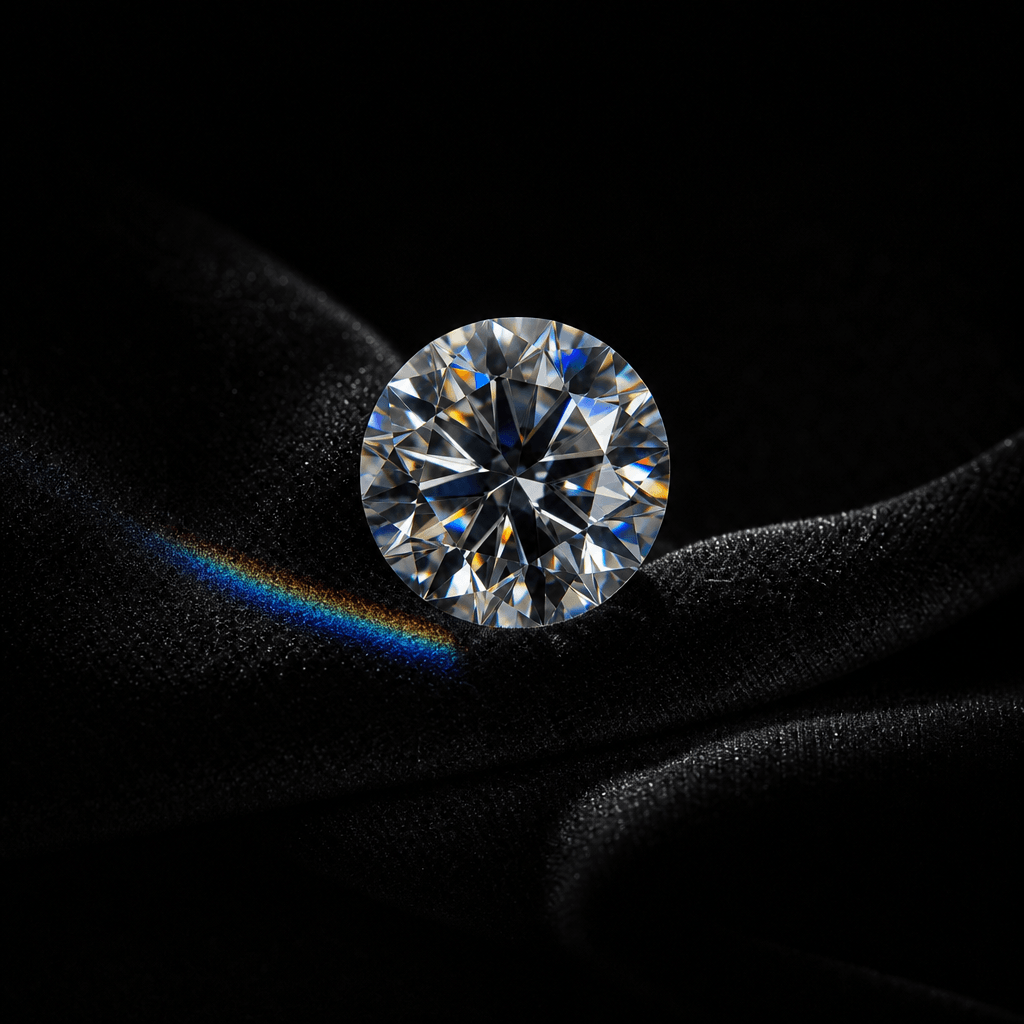
Both are real diamonds. Both are graded by the same labs. Here is exactly how they differ — and exactly how they don't.
Formed 1–3 billion years ago under immense heat and pressure deep within the earth
Grown over weeks using CVD or HPHT — the same carbon, same crystal structure, shorter journey
"I show you both, explain the difference honestly, and let you decide.
There's no wrong answer."
— Geoff Woerner ◆ GIA Graduate Gemologist ◆ 46 Years Experience ◆ Owner
Lab grown diamonds are real diamonds — not simulants, not fakes. They are carbon, formed into the same crystal structure, graded by the same labs, identical in every measurable way.
A diamond seed crystal is placed inside a sealed chamber. Carbon-rich gas is ionized into plasma by microwave energy. Carbon atoms then settle layer by layer onto the seed — over several weeks, a full rough diamond grows. The result is cut, polished, and GIA graded on the exact same 4Cs as any earth-mined stone.
A diamond seed is subjected to temperatures exceeding 2,700°F and pressures above 1.5 million PSI — precisely replicating the conditions 100 miles below the earth's surface. Carbon bonds into a perfect crystal lattice. The result is a real diamond, indistinguishable from natural, graded by GIA or IGI to the same standard.
Natural and lab grown diamonds graded identically by GIA and IGI ◆ Cut · Color · Clarity · Carat ◆ Same science, same paperwork, same standard
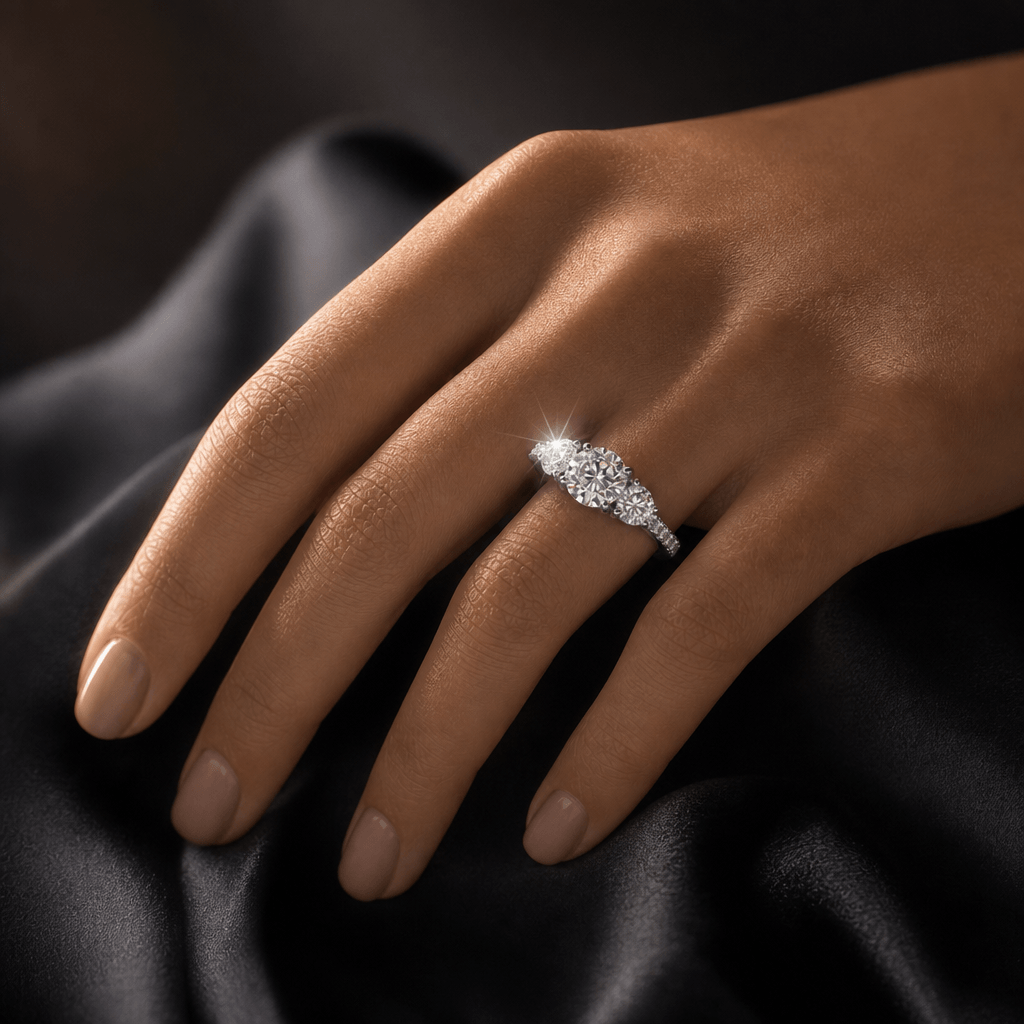
Natural or lab grown — Geoff can set it in any style, any metal, any design you can imagine. Every piece begins with a conversation and ends with something you pass down for generations.
We have built 50 diamonds from 20 family rings into a single heart pendant. We have reset inherited stones into modern designs. We have brought heirloom pieces back to life.
Every diamond — natural or lab grown — is graded on the same four universal criteria. Geoff walks you through each one in-store.
The most important of the four. Cut determines how well a diamond reflects light — its brilliance, fire, and scintillation. A perfect cut transforms a raw stone into something extraordinary.
Graded D (colorless) to Z (light yellow). The less color, the rarer. Colorless diamonds allow the most light to pass through and are the most sought-after.
Measures internal inclusions and external blemishes on a scale from Flawless to I3. Most inclusions are invisible to the naked eye — Geoff helps you find the sweet spot of beauty and value.
The weight of the diamond. One carat equals 200 milligrams. With lab grown diamonds, the same budget often means significantly more carat weight — a meaningful difference in presence and beauty.